Saturday, June 28, 2014

Sweet Potato & Bean Stew


This recipe is really Mark Bittman's from his excellent The Food Matters Cookbook. That recipe starts with dried beans, cooks the beans with some seasoning and pork product, and then proceeds to the stew. I think it's wonderful to start with dried beans; I usually do that myself. But, there are plenty of days where I'm just running behind and a can or two of cooked beans can save your dinner. If you start with dried beans, dinner will take a few hours. If you start with canned beans, you can pull this off in an hour.

The sausage in this recipe is garnish, not the main event. I made it with 1 link (about 6 oz.) of andouille, so everyone gets two to three small slices of sausage with their stew. You get the flavor of the meat without adding much to the cost.

Sweet Potato and Bean Stew
(serves 6, cost $12)

1 teaspoon oil
2 oz. bacon or pancetta, diced
1-2 links andouille or hot Italian sausage
1 large onion, chopped
1 green pepper, chopped
1 red pepper, chopped
3 cloves garlic, chopped
1 teaspoon dried thyme
2 bay leaves
¼ teaspoon ground allspice
a pinch of cayenne
1 14-oz. can diced tomatoes with juice
2 15-oz. cans pinto beans, drained and rinsed
2 large sweet potatoes, about 2 pounds, cut into 1" chunks
1 ½ teaspoon salt
½ teaspoon black pepper
vinegar-based hot sauce (like Tabasco) or juice of ½ a lime

Heat up the oil in a dutch oven over medium heat. Add the bacon or pancetta and cook until it renders its fat. Remove from the pot and set aside. Turn the heat up to medium-high and add the sausage. Sauté until browned. Remove from pot and set aside to cool slightly. There will be a bit of fat in the pot and it will add lots of flavor to the dish. But, you don't need more than a couple of tablespoons and remove some if there is more than that.

Reduce the heat to medium. Add the onion, peppers, garlic, thyme, bay leaves, allspice, and cayenne. Sauté for 5 minutes, scraping the bottom to keep the spices from burning. Add the tomatoes and stir to combine. Add the reserved pancetta, beans, sweet potatoes, salt, and pepper. There should be enough liquid to nearly cover the beans and potatoes. If not, add some water. Bring to a boil, reduce to a simmer, and cover. Cook for 30 minutes until sweet potatoes are tender. Slice the sausage while the stew is cooking and add back to the pot so the sausage can finish cooking. Add hot sauce or lime juice, stir, and serve.

Reheats very well.

Tuesday, June 24, 2014

Sesame Spinach


Now that we have pre-washed spinach in most every supermarket, spinach is a quick and easy vegetable side dish. This dish is similar to many Asian dishes, lots of garlic, soy, and that powerhouse of flavor, Asian sesame oil. You can eat it cold too. Add a pound of stir-fried tofu cubes, serve over rice, and you have a super-quick vegetarian dinner for 4.

Sesame Spinach
(serves 4)

3 cloves garlic, minced
1 Tablespoon soy sauce
1 teaspoon sugar
1 Tablespoon vegetable oil
1 pound pre-washed spinach
½ Tablespoon sesame oil
¼ teaspoon salt
1 ½ Tablespoons sesame seeds (optional)

Combine the soy sauce and sugar in a small bowl and mix to dissolve the sugar. Heat the oil in a large skillet or wok until smoking hot. Add garlic, stir for 10 seconds, then add the spinach and toss. Continue to toss until spinach is wilted. Add soy-sugar mixture and toss again. Remove from heat. Add sesame oil, salt, and sesame seeds (if using) and toss. Serve hot, room temperature, or cold as a salad.

Monday, June 16, 2014

Cold Spicy Noodles with Shredded Vegetables

I used whole wheat spaghetti. It adds a nice nutty, hearty flavor.

It's heating up and this is one of my favorite cold dishes for summer. Cold noodle salads are very popular in many Asian countries, including China, Vietnam, and Japan. The type of noodles changes as do the seasonings, but they are all packed with flavor and cooling on a hot summer night.

My version is most like the Chinese version with the toasty flavor of Asian sesame oil, and a good dose of chili oil. If you don't have chili oil, you can use Siracha sauce. You can leave out the chili if you don't like spicy and it will still have good flavor.

Cold Spicy Noodles with Shredded Vegetables
(serves 4 as a main dish)

Salad
1 pound spaghetti
1 Tablespoon salt (for cooking water) plus 1 teaspoon salt for salad
1 red pepper, cored, seeded and sliced thinly
2 carrots, shredded or grated
4 scallions, thinly sliced for garnish
1 Tablespoon sesame seeds, toasted until golden and cooled
cilantro leaves for garnish (optional)

Dressing
1 teaspoon sugar
2 Tablespoon soy sauce
1 Tablespoon seasoned rice vinegar
½ to 1 teaspoon chili oil or Siracha sauce
2 Tablespoons Asian sesame oil
2 Tablespoons vegetable oil

Bring a large pot of water to a boil and add salt. Cook spaghetti until just al dente, about 9 minutes. Drain and rinse under cold water until noodles are cold. Dump onto a clean kitchen towel to dry off - you don't want to add a bunch of water that is sticking to the noodles because it will thin out the dressing.

Combine sugar, 1 teaspoon salt, soy sauce, rice vinegar, and chili oil in a medium bowl. Whisk until sugar and salt dissolves. Whisk in sesame oil and vegetable oil.

Toss together spaghetti, red pepper, and carrots in a large bowl. Whisk dressing on more time then pour over spaghetti. Toss to coat. Best if served really cold, after sitting in the fridge for a couple of hours. To serve, mound up salad and sprinkle with sesame seeds and cilantro leaves. Leftovers will keep in the fridge for up to 2 days

Monday, June 9, 2014

June Ambassador Challenge: Basil Yogurt Dressing

I used the dressing on my lunch salad: canned beans, tomato, avocado and romaine lettuce
OK, the challenge is actually to make Jamie's Buttermilk Dressing, which is quite excellent on its own. But I had neither buttermilk nor dill. But, I did have yogurt and fresh basil. Yogurt is a little tangier than buttermilk, and thicker too. It works to replace the buttermilk because it is close enough. The original recipe calls for dill but the basil was getting long in the tooth and had to go into something. And, we love basil in my house. That's a lesson for all you budding cooks out there: sometimes what you have in your fridge is good enough. Basil doesn't taste anything like dill, but it works just as well in a salad dressing. In fact, now you have one basic recipe that you can customize to what you have on hand, or what you feel like eating! The basil makes this a great dressing for a salad of sliced tomatoes.

Some ingredient notes: dry mustard can be found in any supermarket. I like Colman's, which comes in a small yellow tin. Seasoned rice vinegar is sushi vinegar, rice vinegar seasoned with salt and sugar. You can make your own, as we did for our class on sushi.

Yogurt Basil Salad Dressing
(makes enough dressing for 8-10 salads)

1 ½ teaspoon dry mustard
3 Tablespoons seasoned rice vinegar
5 Tablespoons extra-virgin olive oil
½ cup low fat plain yogurt (not Greek which is too thick)
1-2 Tablespoons milk (skim, low fat or whole)
½ teaspoon onion powder (or 1 Tablespoon finely minced onion or shallot)
1 Tablespoon minced fresh basil
1 teaspoon black pepper
1 teaspoon salt

Place everything in a jar that holds at least 1 ½ cups liquid. Shake it up really well to mix the dressing. If it seems too thick, add a little bit more milk and shake again.

The dressing will keep for a week in the fridge. Shake well each time you use it.

Friday, May 23, 2014

Grilling Time!

View of Lake Cayuga, one of the Finger Lakes. Both Wells College and Cornell University overlook this beautiful lake.
Memorial Day officially kicks off the summer season and that means it's time to fire up the grill. Here in Colorado, we grill year round (I usually grill a turkey for Thanksgiving) but once the summer heat hits, it's the only way I cook.
The Original Wells Chicken recipe
So, to celebrate the start of grilling season, I offer "Wells Chicken." I was just back from central New York where I attended my daughter's graduation from Wells College (my alma mater, too). Cornell Chicken is sold out of shacks throughout this part of New York. Two of my college friend's decided that our little college needed its own version. This is what they came up with, and I proudly served it to friends and family last week at my daughter's graduation party. The main difference? Cornell Chicken uses apple cider vinegar and her Wells version uses red wine vinegar. Try them both this summer. Either way, it's a delicious take on grilled chicken.

The real secret ingredient in both these recipes is the egg. Egg yolks are full of lecithin, an emulsifier. It keeps the oil and vinegar from separating in the marinade. Because we eventually cook the chicken, the egg works well for this.

Someday, do try to sample Cornell Chicken in the Finger Lakes. It's a beautiful place, filled with wineries, tree-lined villages, history, and of course, stunning lakes!

Wells Chicken
(For 5 broiler halves, enough for 8-10 people)


½ cup oil
1 cup red wine vinegar
1 teaspoon salt
1 ½ teaspoon poultry seasoning
¼ teaspoon white pepper
1 egg
juice of 1 lemon
2 cloves garlic, mashed 
healthy pinch of crushed red pepper

Combine everything in a big bowl, making sure to beat egg in well. Add chicken and marinate for up to 3 days in the refrigerator. Overnight is the minimum. Turn chicken a few times to makes sure all pieces are well-covered.

Grill on a slow grill to prevent flare-ups. (More tips on grilling chicken)

For traditional Cornell Chicken, replace the red wine vinegar with apple cider vinegar and don't use lemon juice, garlic, and crushed red pepper.

Tuesday, May 13, 2014

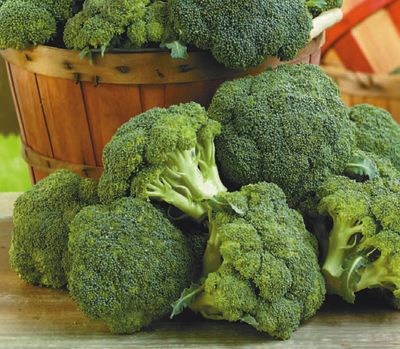
The Inner Life of Broccoli


Last summer, I read this article about a Cornell plant scientist who is trying to breed a better broccoli. Most broccoli is grown in moist, cool, foggy places, like coastal California, and doesn't tolerate warm temperatures, particularly at night. As broccoli is near the top of my favorite veggie list, I was keenly interested in his quest to breed a better broccoli, one that reaches the market sweet and crisp. Though he has successfully bred an improved broccoli, it may be a while before it reaches a market near you. Until then, is there a take-away from this work? Sure is - cook your broccoli soon after you buy it! Like that same day. No, it will not taste like fresh picked but every day it sits in your crisper is another day towards increased funkiness, something most people find off-putting about broccoli. You can steam it, chill it down quickly in ice water, drain, and refrigerate it until you need it. Heat it up in the microwave or quickly sauté it. Steaming is better at preserving nutrients than boiling, so I don't usually boil green vegetables.

Remember the stems are tasty too (in fact, they are often sweeter than the florets), but the lower stem has a thick fibrous layer that should be peeled off. Start from the bottom and pull upwards towards the florets on the thick outer layer. It will peel off in pieces. You don't need to peel all the way up; just the lower part is fibrous.

Also, learn to pick the freshest bunches: not limp and rubbery, and with tight green heads and no yellowing.

Here's a recipe, originally for asparagus, that works just as well on broccoli:

Broccoli with Goat Cheese Sauce
(serves 4, costs $2.75)

1 pound broccoli, trimmed, and cut into florets and stem pieces sliced ¼" thick
1 oz. creamy goat cheese with herbs
1 Tablespoon mayonnaise
1 teaspoon fresh lemon juice
¼ teaspoon black pepper
1 ½ Tablespoon hot water
salt

Combine goat cheese, mayonnaise, lemon juice, black pepper, and hot water in a medium bowl. Whisk until the sauce is smooth.

Steam the broccoli for about 5 minutes until just tender. Dress with sauce and sprinkle lightly with salt. Serve immediately.

Adapted from Nutrition Action.com, Asparagus with Goat Cheese and Dill Sauce